Is Buying Real Estate During Crises

Is Buying Real Estate During Crises and Wars a Smart Decision or a Risk? A Comprehensive Analysis for the Conscious Investor
Crises and wars are among the periods that cause the greatest panic in financial markets. Anxiety dominates investors, and many rush to liquidate assets in search of safe havens. In this context, the age-old question arises about the feasibility of real estate investment during such circumstances: does property remain the “dutiful son,” as it is often described in investment culture, or does the risk during times of uncertainty outweigh the expected returns?
Answering this question requires a deeper understanding of the concept of financial value and how tangible assets can transform into shields that protect wealth from currency fluctuations and economic collapses.
The Philosophy of Real Estate Hedging in Times of High Inflation

When major crises erupt, they are usually accompanied by a sharp rise in inflation due to disrupted supply chains and increasing energy and shipping costs.
At such moments, currencies begin to lose their purchasing power rapidly. Here, real estate functions as a natural hedge. Property prices do not rise merely out of speculation; they increase because real estate is built from raw materials—such as steel, cement, copper, and energy—which are global commodities whose prices typically surge during wars.
Owning a property therefore means converting cash that is vulnerable to erosion into a solid mass of raw materials whose value naturally grows over time, preserving wealth from gradual depletion.
The Psychology of Opportunity and the Principle of Buying During Fear
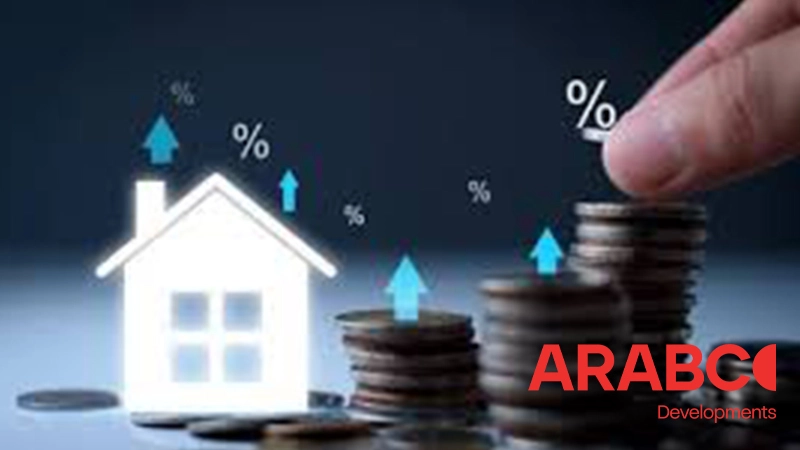
Investment history proves that great fortunes are rarely built during periods of complete stability; rather, they are created amid turmoil and uncertainty.
When demand declines due to collective fear, markets often shift into what is known as a buyer’s market, where those who possess liquidity and the courage to act gain the advantage. During such periods, real estate developers frequently offer exceptional facilities that are rarely available during boom times, such as long payment plans that may exceed ten years or attractive cash discounts.
The conscious investor understands that no crisis lasts forever. Prices that seem reasonable today may appear unimaginable once stability returns and demand rises again.
Distinguishing Between Residential and Commercial Real Estate During Conflicts
Different real estate sectors respond differently to crises depending on human needs. The residential sector tends to be the most resilient, as housing is a fundamental human necessity that cannot be abandoned regardless of the severity of the crisis. For this reason, residential properties in vibrant cities tend to maintain their minimum value and may even grow due to increased demand from displaced individuals or those seeking safer areas.
The commercial and administrative sectors, however, require a more strategic approach. Investing in offices or retail spaces during crises should focus on essential services.
Shopping centers and administrative hubs located in densely populated areas—such as the Fifth Settlement in New Cairo—can remain golden opportunities. Human activity related to consumption and services, such as pharmacies, clinics, and supermarkets, does not stop. In fact, demand for these services often becomes more concentrated within residential neighborhoods.
Check Now: HubWalk New Cairo Mall
Analyzing Investment Geography and Choosing Strategic Locations

Not every property is suitable for investment during times of war. Location plays a decisive role in determining security and long-term value.
Investing in central areas or economically strong cities with developed infrastructure provides real security. Areas like the Fifth Settlement in New Cairo represent prime examples of locations with strong infrastructure and a population possessing stable purchasing power, giving real estate there a high level of resilience against economic shocks.
The smart investor looks for scarcity—locations that cannot be replicated or land that has become limited in city centers. These properties are often the ones that lead price surges once crises subside.
The Role of the Real Estate Developer in Securing the Investment Journey
During crises, weaker companies tend to exit the market while financially strong developers remain.
Buying from a trusted developer is no longer a luxury but a safeguard for your investment. A strong developer has the financial capacity to deal with fluctuations in construction material prices and the ability to meet delivery deadlines even under difficult conditions.
Carefully reviewing a developer’s track record and financial strength is what distinguishes a profitable investment from one that may stall due to execution delays.
Real Estate as a Shield Against Currency Devaluation
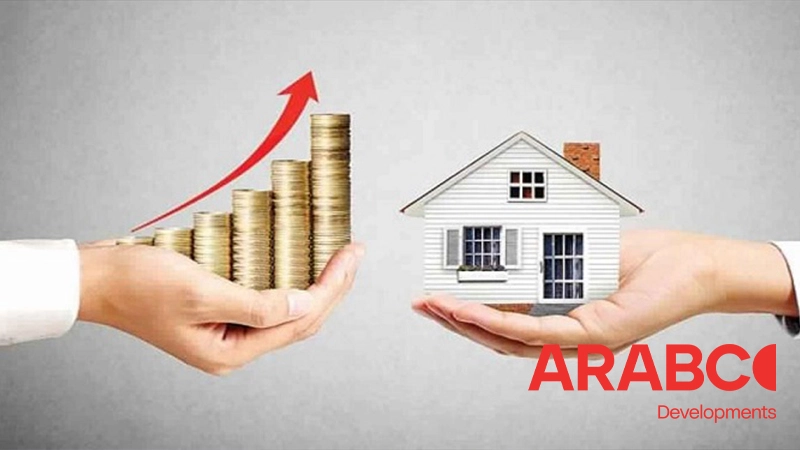
In emerging markets, crises are often accompanied by a decline in the value of the local currency against foreign currencies. In such circumstances, real estate plays a role similar to “real estate gold,” preserving the value of wealth in terms of hard currency.
If you compare property prices before and after any monetary crisis, you will find that they quickly reprice themselves to reflect their true value. This means property owners do not lose purchasing power, while those who keep their savings in cash deposits often lose a significant portion of their wealth.
A Conscious Investment Perspective
Buying real estate during crises is not necessarily a reckless gamble; rather, it can be a strategic decision grounded in the lessons of economic history, which repeatedly shows that crises are the birthplace of opportunities.
Investment intelligence lies in choosing the moment when others retreat, entering well-studied projects in prime locations, and partnering with developers who possess both vision and capability.
Real estate may experience downturns, but it rarely dies. The decision you make today in times of uncertainty may well become the foundation of your financial stability in the clarity and prosperity of the future.
To Contact with Sales Team Click Through Whatsup Click Here